English
 français
 Deutsch
 русский
 italiano
 español
 português
 العربية
 日本語
 Polski
 中文

Как мы можем вам помочь
Вы можете связаться с нами любым удобным для вас способом. Мы доступны в 24 часов / 7 дней через электронная почта или телефон.
Связаться с нами
Before installing a new floor system, the concrete surface needs to be properly prepared. Even when an existing floor looks relatively clean, it may still contain adhesive residue, old coating, concrete dust, curing compounds, or other materials that can interfere with the new installation. If these contaminants are left behind, they may affect how well the new coating, adhesive, or flooring material bonds to the substrate. The first step is to identify what is on the floor and determine whether it needs to be removed mechanically, cleaned, or treated using a combination of methods.
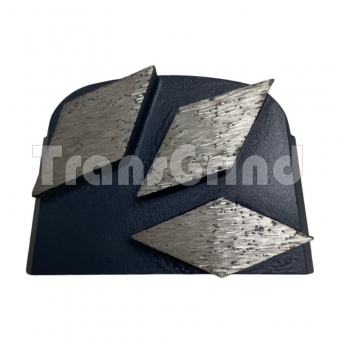
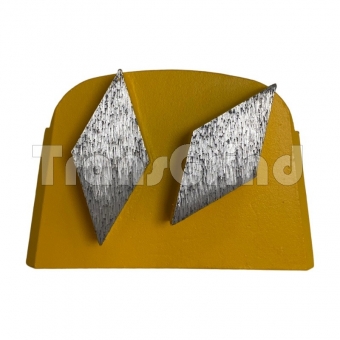
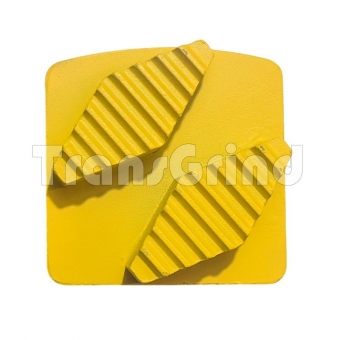
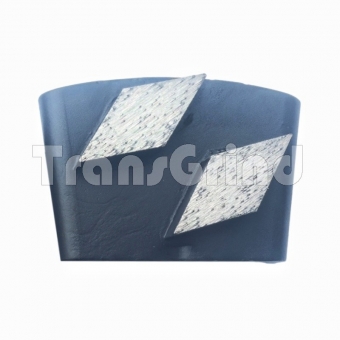
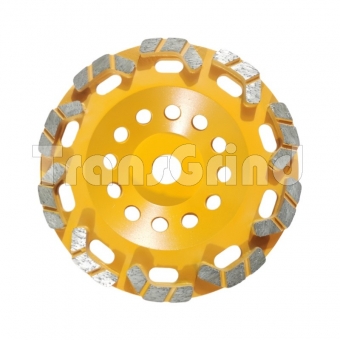
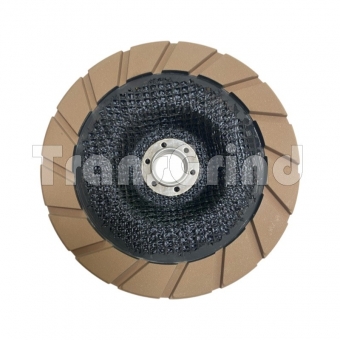
Different types of residue require different approaches. Loose dust and general debris can usually be removed with industrial vacuuming, while hardened cement residue, surface laitance, and uneven patches may require mechanical grinding. Old paint, epoxy coatings, and stubborn adhesive deposits are more difficult to deal with. Scraping may work for loose or brittle material, but firmly bonded layers often need mechanical removal. Using coating removal tooling suited to the material can help remove these layers without relying on an unsuitable grinding method.
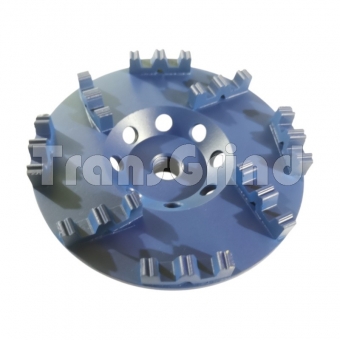
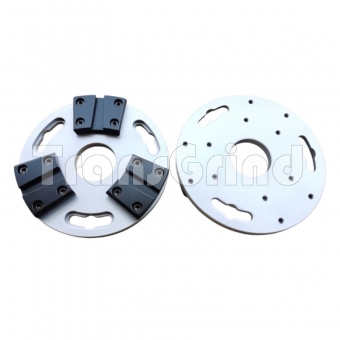
For thick or strongly bonded coatings, PCD tooling is often used for the initial removal because its cutting design is suited to breaking up and removing many coating and adhesive materials. For example, contractors may consider HTC PCD removal tools or a Scanmaskin coating removal tool when working with compatible grinder systems. The choice should depend on the coating type, thickness, adhesion, and condition of the concrete underneath. Once the bulk of the material has been removed, the exposed surface should be inspected. Remaining thin residues or uneven areas may need further grinding with an appropriate diamond tool before the next preparation stage.
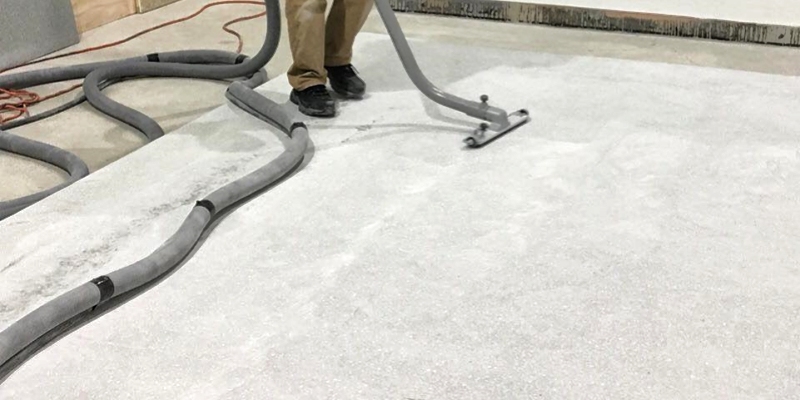
Removing visible residue is only part of the work. Oil, grease, chemical contamination, and other substances that have penetrated the concrete may require specific cleaning or treatment methods. Simply grinding over them can spread contamination across the surface rather than eliminate it. Contractors should also check for cracks, weak concrete, surface defects, and areas that may need repair. After mechanical preparation, thorough vacuuming is essential to remove loose dust and grinding debris. For some floor systems, additional cleaning or moisture testing may be required before installation.
The final surface condition should meet the requirements of the new flooring or coating system, rather than follow a single preparation standard for every project. Some installations require a particular concrete surface profile (CSP) to achieve proper mechanical adhesion, while others have specific limits for moisture, contamination, and substrate strength. Always check the system manufacturer's preparation guidelines before deciding that the floor is ready. Taking time to remove residue thoroughly and verify the condition of the concrete can help prevent bonding problems, coating failures, and unnecessary rework after installation.

 IPv6 сеть поддерживается