English
 français
 Deutsch
 русский
 italiano
 español
 português
 العربية
 日本語
日本語 Polski
 中文
中文
Как мы можем вам помочь
Вы можете связаться с нами любым удобным для вас способом. Мы доступны в 24 часов / 7 дней через электронная почта или телефон.
Связаться с нами
Оценка и инспекция поверхности
Перед началом полировки первым шагом всегда является детальный осмотр бетонной поверхности. Это помогает выявить такие проблемы, как старые покрытия, трещины, неровные участки или цементное молочко (laitance), которые могут повлиять на итоговую отделку. Чёткое понимание состояния плиты позволяет подрядчикам определить правильную последовательность шлифования и выбор инструмента, что необходимо для получения равномерного полированного результата.
Удаление покрытий и первичное шлифование
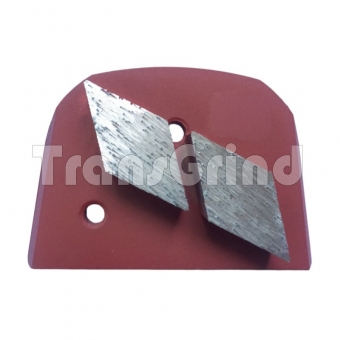
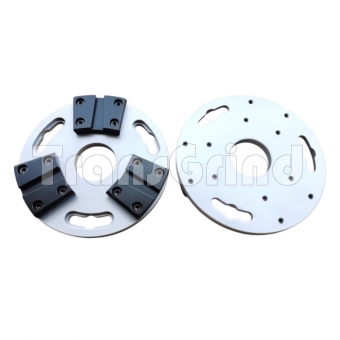
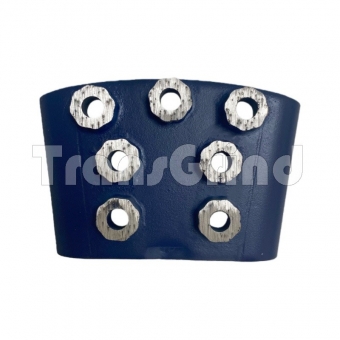
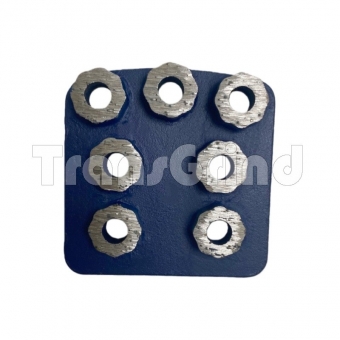
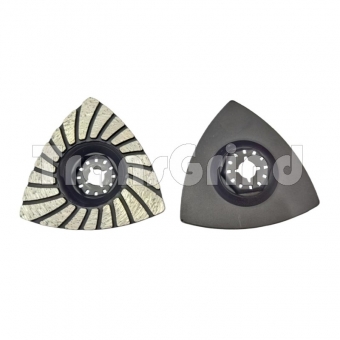
Если на полу есть эпоксидное покрытие, краска или остатки клея, их необходимо удалить до начала любых работ по полировке. В большинстве случаев для этого используются агрессивные инструменты, такие как быстросменные PCD шлифовальные инструментыполярная магнитная система быстросменного оснащения обычно используются для раскрытия поверхности и начала процесса выравнивания, обеспечивая надлежащую подготовку бетона к более тонким этапам шлифования.
Выравнивание и доводка поверхности
После удаления покрытий и основных дефектов поверхности следующим шагом является выравнивание пола. На этом этапе основное внимание уделяется устранению выступов и впадин и созданию более равномерного профиля поверхности. Правильные методы шлифования и корректный выбор связки здесь особенно важны, поскольку они напрямую влияют на то, насколько гладкой будет поверхность на последующих этапах полировки. Последовательные проходы и контролируемая работа оборудования помогают избежать появления неровных рисунков.
Поэтапное шлифование и уплотнение поверхности
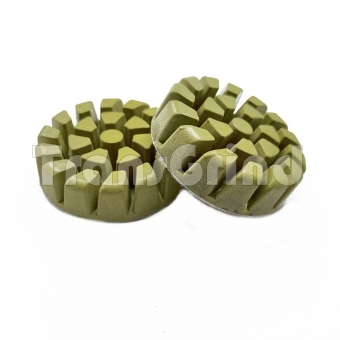
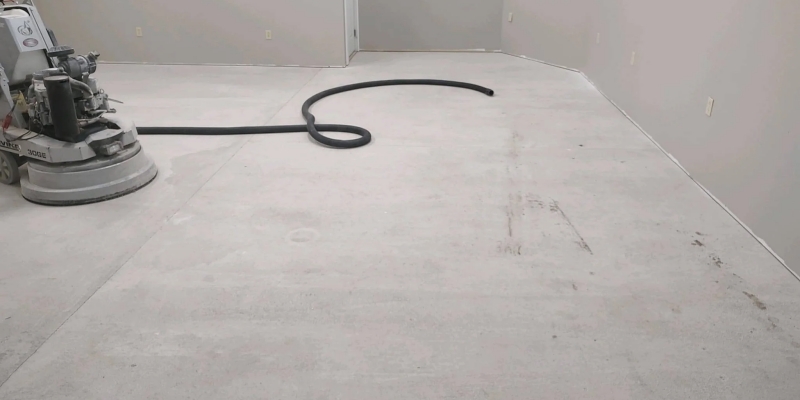
После выравнивания поверхность постепенно доводится через несколько этапов с разной зернистостью. Каждый проход уменьшает царапины, оставленные предыдущим этапом шлифования, подготавливая поверхность к полировке. В процессе также может применяться уплотнение, чтобы укрепить бетон и улучшить его способность достигать высокого глянца. Этот этап критически важен, так как пропуск шагов может привести к видимым следам царапин в конечном результате.
Финальная подготовка перед полировкой
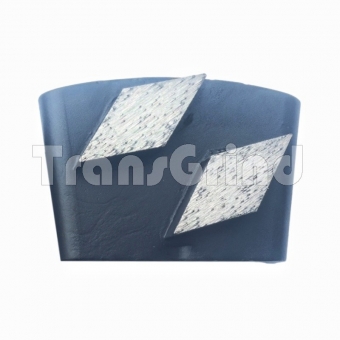
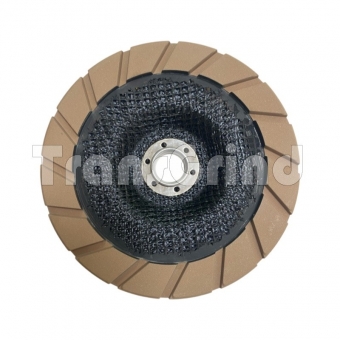
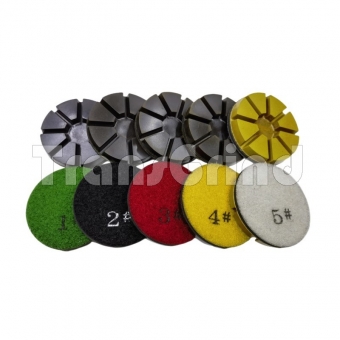
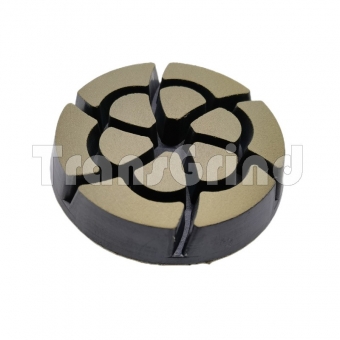
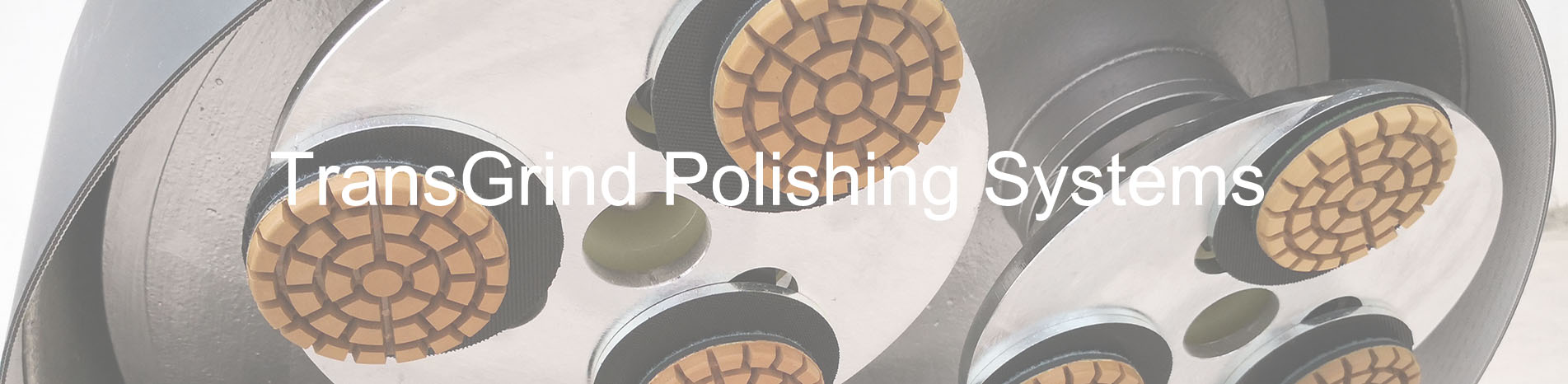
Перед переходом к полировальным падaм поверхность должна быть тщательно очищена и повторно проверена, чтобы убедиться, что все следы шлифования равномерны. Любые оставшиеся дефекты должны быть устранены на этом этапе, чтобы они не повлияли на конечный блеск. Когда поверхность становится ровной и однородной, она готова к этапу полировки, на котором достигается необходимый уровень глянца с помощью мелкоабразивных алмазных инструментов.алмазные инструменты TransGrind широко используются в этом процессе, помогая подрядчикам достигать стабильных результатов и высококачественной полированной поверхности.

 IPv6 сеть поддерживается